Flooding and Stormwater Conflicts Linked to Road Expansion Increase Nationwide as Sarasota County Advances Manasota Beach Road Extension
ENGLEWOOD, Fla. — Jan. 14, 2026 — Road expansion projects in flood-sensitive regions are increasingly contested across the United States as residents raise concerns about stormwater impacts, wetland disturbance, and long-term resilience. Sarasota County, Florida is now a local example of this trend as it advances the proposed Manasota Beach Road extension near Englewood, including a framework involving $15 million in county funding.
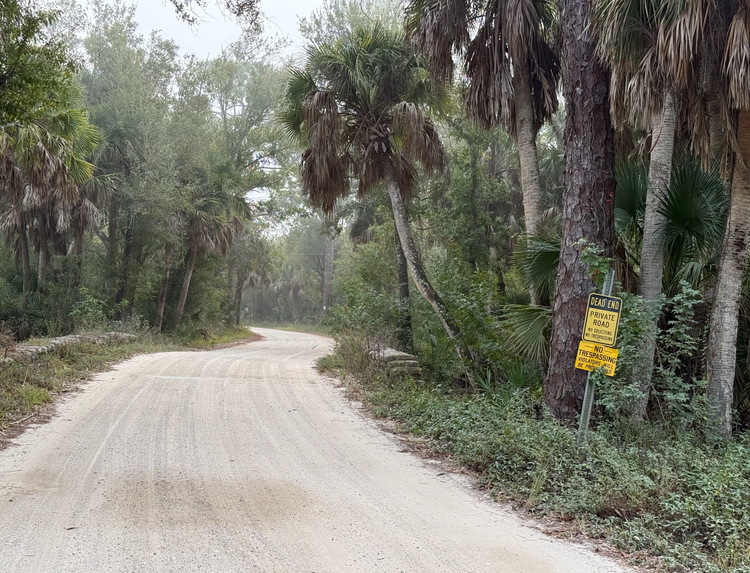
The extension would connect River Road (State Road 777) to Englewood Road (State Road 776) by linking disconnected road segments through wetlands and creek-crossing areas. The project has been promoted as a congestion and connectivity solution in southern Sarasota County.
The dispute has been reported by Christian Casale of the Sarasota Herald-Tribune (USA TODAY Network), updated Jan. 14, 2026, which described the roadway plan, the funding deal, and resident objections.
Funding justification and county decision
Developer Pat Neal has advocated for the extension and presented it to county leadership as a practical road investment. Casale reported the developer emphasized cost comparisons in public proceedings, stating: “He told the County Commission he needed $15 million from the county to build the Manasota Beach Road extension — far cheaper, he said, than the stalled Keyway Road project.”
The Sarasota County Commission has advanced the proposal despite public opposition presented in commission meetings in 2025. County transportation staff have cited the county’s infrastructure backlog and the cost of alternative road projects.
Resident concerns focus on flooding and drainage impacts
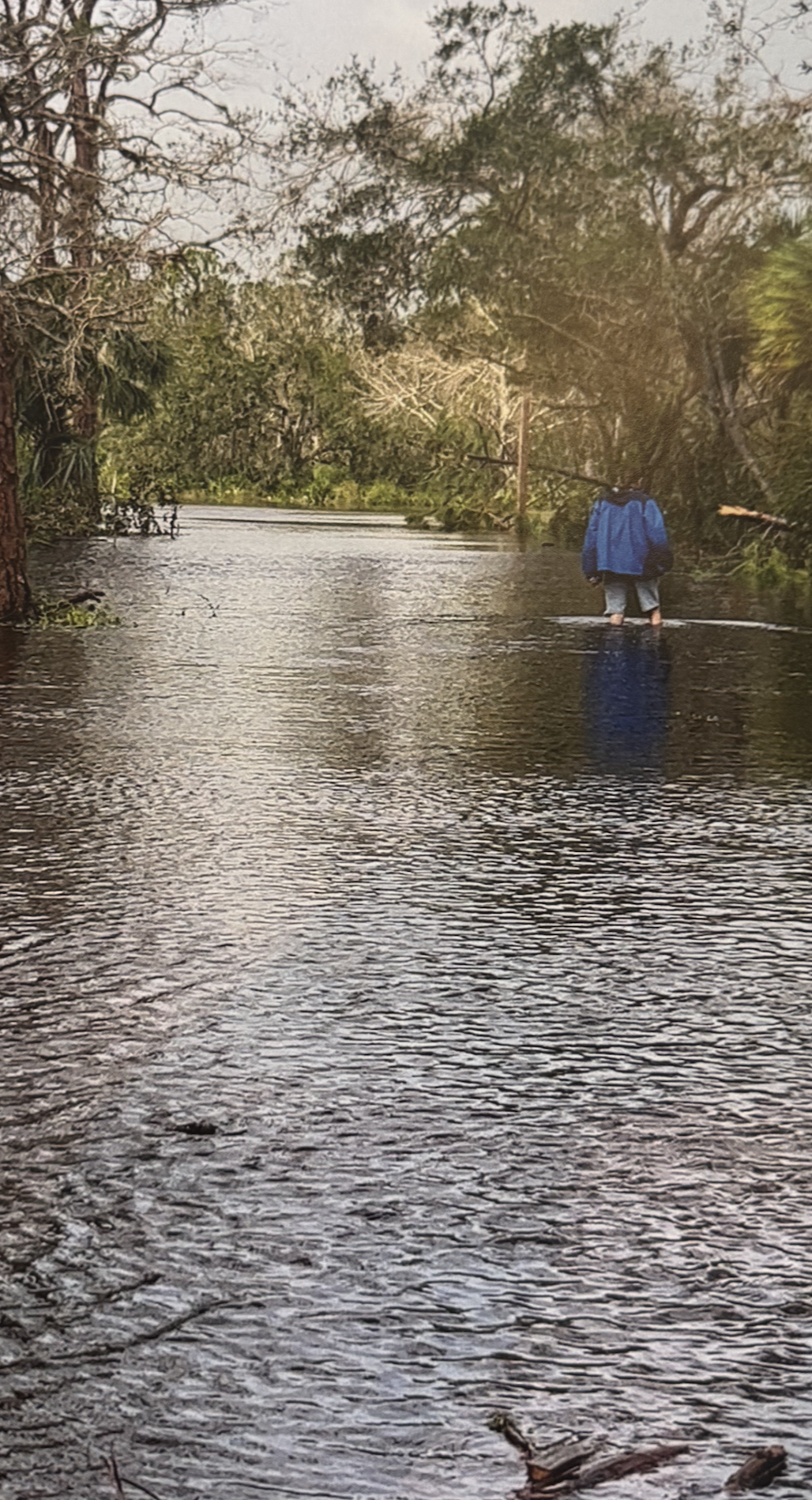
Opponents argue that paving and expanding the corridor would worsen drainage impacts in an area vulnerable to storm events. Residents have cited regional flooding history and argue that road construction and related development can increase impervious surface area, accelerate runoff, and alter drainage patterns.
Residents also raised concerns about creek crossings and wetland systems near the corridor, arguing that altering flow patterns can increase flood exposure for surrounding properties. Additional objections include anticipated increases in traffic volume along rural residential areas and quality-of-life impacts.
Mitigation claims disputed
Supporters have publicly stated that the project includes engineered drainage controls and environmental mitigation. Casale’s reporting described claims tied to culvert upgrades and mitigation approaches.
Opponents dispute those claims and argue that large-scale drainage impacts often emerge after traffic corridors are expanded and land use intensifies around a road connection.
Public road status dispute central to controversy
In addition to stormwater issues, opponents argue that public road status has not been established for the disputed section of Manasota Beach Road under Florida law.
Residents contend the county has not produced documentation showing formal acceptance actions, inclusion in a maintained public road inventory, or long-term county maintenance establishing public-road status. They argue that even where a warranty deed exists, public-road establishment requires additional steps tied to acceptance and maintenance procedures, and that those steps have not been demonstrated.
This legal-status dispute is significant because it affects whether local government can proceed with major road construction using public funds and regulatory authority, especially in corridors historically treated as rural or lightly maintained.
Increased tensions and legal posture
Casale’s reporting described escalating tensions connected to the project, including disputes related to surveying access. Residents have retained legal counsel and continue organizing civic opposition.
Next steps
Sarasota County has scheduled a public workshop for Jan. 22, 2026, as design and permitting advance and project timelines continue moving toward 2026 construction activity.
Nationally, similar disputes continue to increase in coastal counties and fast-growth regions where infrastructure plans intersect with flooding risk, wetland protection, and long-term drainage resilience.
###
Media Contact:
Daily Success Institute
Email: info@dailysuccessinstitute.com
SOURCE: Christian Casale, Sarasota Herald-Tribune (USA TODAY Network), updated Jan. 14, 2026.